Hydrogen Train: India’s Green Journey Hits a Milestone

Tata Power-DDL Prepares for a Safe Kanwar Yatra
July 30, 2026
World Breastfeeding Week 2026: Does IVF Affect Breastfeeding?
August 4, 2026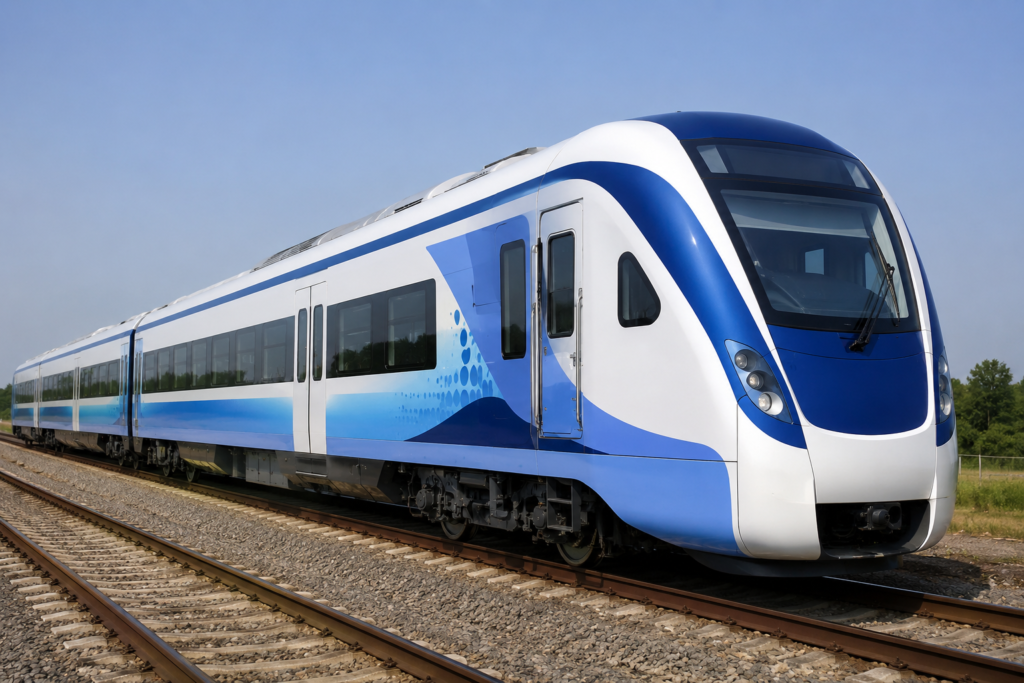
Clean fuel is an absolute necessity now. India very proudly now enters the elite club of nations like Germany, US, China and Japan to be running its first hydrogen train. In fact, Germany was the first country to have introduced this cleanest fuel-based train. Although in other countries trials are still going on, India has achieved this greenest milestone as country’s first Hydrogen train was inaugurated on 17th July 2026 by PM Modi at Jind Railway station.
This train is now running from Jind to Sonipat in Haryana. The hydrogen train had been developed and made by the Research, Design & Standards Organization (RDSO), designed and made entirely in India.
Why the Hydrogen Train is unique?
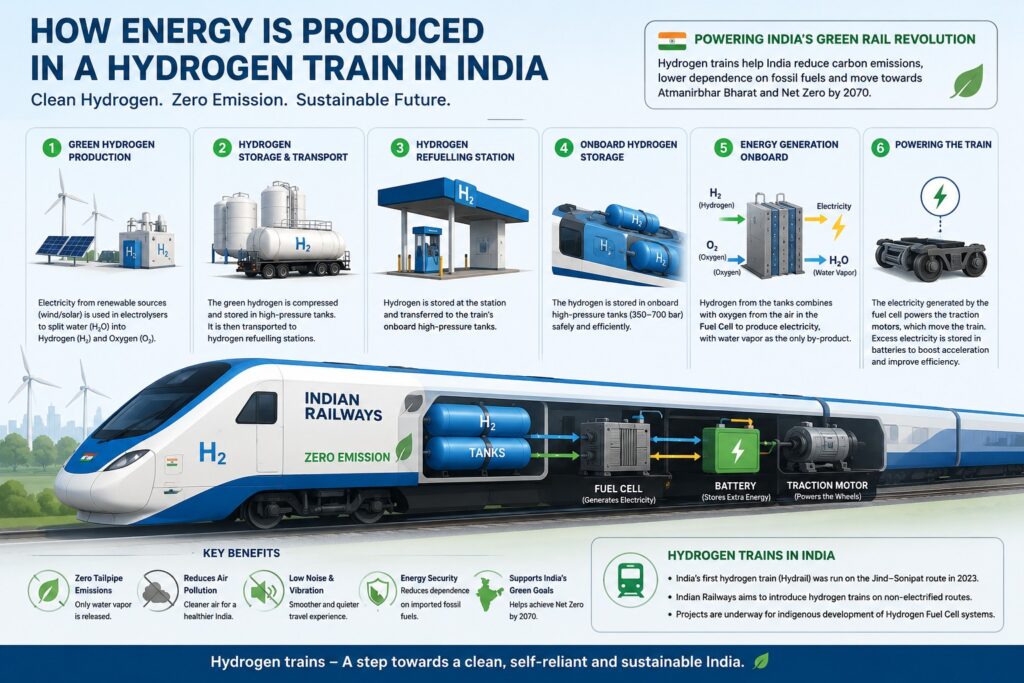
There is an exclusive coach which houses the fuel cell. The energy production takes place inside the locomotive as hydrogen reacts with the oxygen from the air inside the fuel cell to produce electricity. Except for water vapour, there is no other by-product to disturb the ecological balance.
Features of the Hydrogen Train
- The Hydrogen Train has a ten-car hydrogen fuel trainset
- It is powered by 1200 kW hydrogen fuel
- Around 2,600 passengers can sit
- Maximum speed is 70 kmph to 110 kmph
Why Hydrogen is a clean fuel?
Instead of producing carbon emissions, Hydrogen when burnt produces water vapor and heat. Hydrogen is a high-energy fuel, producing 120 MJ/Kg (megajoules per kilogram) in comparison to diesel, which gives 43 MJ/Kg. It is low maintenance with a manageable carbon footprint.
In Jind, Haryana there is a huge indigenous facility that stores nearly 3,000 kg of hydrogen at a time. It will support hydrogen-powered train operations. The Petroleum and Explosives Safety Organisation (PESO) has granted the required licence. The train consists of two Hydrogen Driving Power Cars (DPCs) and eight Trailer Coaches (TCs).
How Safe is the Hydrogen Train?
- There are hydrogen leak detectors
- Flame detectors
- Safety sensors which have regular cleaning
- Non-stop ventilation
- A screen shows the real health of the whole system to the Loco Pilot at all times.
The best part is that it is aligned with the net-zero 2070 goal of India. Above that these trains generate their own energy so they donot rely on other power supplies. The trains are fitted with Lithium Iron Phosphate (LiFePO4). They also make the ride quieter and smoother. The electrochemical process replaces the combustion of diesel, resulting in significantly less noise and vibration and above all, a clean ride.