Beyond the Red Carpet: The Legacy of Cannes

“Sustainability and everyday clothing can go hand in hand”: Kapil Bhatia, Founder & CEO of UNIREC
May 13, 2026
Mind Over Matter: How Gurindervir overcame a Confidence Dip to Make Himself the Fastest Indian
May 25, 2026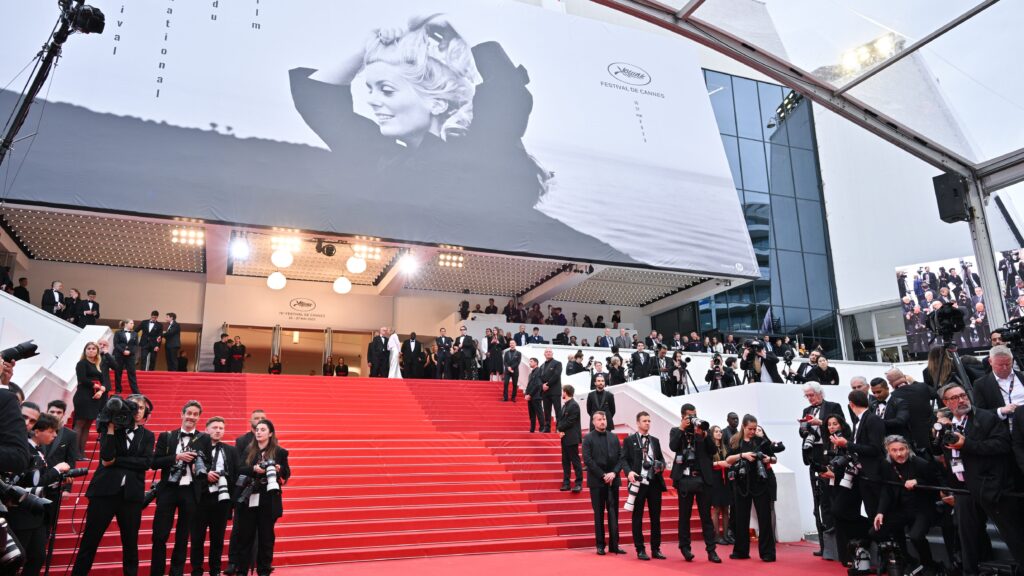
Every year, the picturesque French Riviera town of Cannes becomes the beating heart of world cinema. Flashing cameras, glamorous couture, and celebrity appearances may dominate headlines, but beyond the famous red carpet lies a festival with a rich legacy, artistic influence, and cultural significance that has shaped global filmmaking for decades.
The Cannes Film Festival is not merely a celebration of glamour — it is one of the most respected platforms for cinematic excellence, artistic freedom, and storytelling innovation. Since its inception, Cannes has become a symbol of prestige for filmmakers across the world, where groundbreaking films are discovered and cinematic history is often made.
The Origins of Cannes: A Festival Born from Artistic Freedom
The story of Cannes began in 1938, during a politically tense period in Europe. At the time, concerns were growing over political interference in film awards at the Venice Film Festival. In response, French officials and cinema enthusiasts envisioned an international film festival that would celebrate artistic merit without political influence.
With support from France, Britain, and the United States, Cannes was selected as the festival’s home in 1939 because of its beauty, accessibility, and Mediterranean charm. Although World War II delayed its launch, the first official Cannes Film Festival was eventually held in 1946.
What started as a cultural initiative soon evolved into the world’s most prestigious film festival, attracting directors, actors, critics, producers, and storytellers from every corner of the globe.
More Than Glamour: What Makes Cannes So Important?
While fashion moments and celebrity appearances often capture attention, Cannes is fundamentally about cinema. The festival serves as a global platform where filmmakers premiere their work, challenge creative boundaries, and spark conversations around art, politics, identity, and humanity.
The festival’s highest honour, the Palme d’Or, is regarded as one of the greatest achievements in cinema. Legendary filmmakers such as Quentin Tarantino, Bong Joon-ho, Jane Campion, and Martin Scorsese have all been celebrated at Cannes.
The festival is also known for introducing audiences to international cinema long before such films reach mainstream audiences. Many Oscar-winning and critically acclaimed films first gained recognition on the Cannes stage.
Major Highlights Beyond the Red Carpet
The Palme d’Or: Cinema’s Highest Honor
The Palme d’Or is the festival’s most prestigious award and represents artistic excellence in filmmaking. Films that receive this honour often go on to become defining works of their generation.
Discovering New Voices
Cannes has long championed emerging filmmakers through sections like “Un Certain Regard” and the “Caméra d’Or,” which recognise bold storytelling and debut films. Many celebrated directors had their first major breakthrough at Cannes.
A Global Marketplace for Cinema
Beyond screenings, Cannes hosts one of the world’s largest film markets — the Marché du Film. Producers, distributors, streaming platforms, and studios gather to buy, sell, and finance films, shaping the future of global entertainment.
Celebrating World Cinema
From South Korean thrillers to Iranian dramas and Indian independent films, Cannes gives international cinema a powerful global stage. It has played a major role in making world cinema more visible and respected.
Conversations That Shape Culture
Cannes is often a platform for discussions around representation, artistic freedom, gender equality, censorship, and the future of storytelling in the digital era. The festival reflects not just cinema, but society itself.
Cannes and India: A Growing Presence
India has shared a long and meaningful relationship with Cannes. Legendary filmmaker Satyajit Ray earned global recognition through the festival, while Indian actors, filmmakers and creators continue to represent the country on the international stage.
In recent years, Indian cinema — from independent productions to regional storytelling — has gained increasing visibility and appreciation at Cannes, highlighting the richness and diversity of Indian filmmaking.
The Enduring Magic of Cannes
What makes Cannes truly timeless is its ability to balance tradition with transformation. It honors cinematic heritage while constantly embracing new voices, technologies, and storytelling styles.
Beyond the luxury yachts and designer gowns lies something far more meaningful — a celebration of human stories. Cannes reminds the world that cinema has the power to connect cultures, inspire change, and capture emotions that transcend language and borders.
For filmmakers, Cannes is a dream. For audiences, it is a window into the finest stories the world has to offer. And for cinema itself, it remains one of the greatest stages ever created.