
5 Greatest Teachers Who Transformed Not just a Few But Entire Generations

From Trunks to the Global Stage: Kala Samagam 2026 Brings India’s Artisans and Homegrown Brands To Gurugram
September 2, 2026
‘National Crush’ of Yesterday under ‘National Scrutiny’ today
September 18, 2026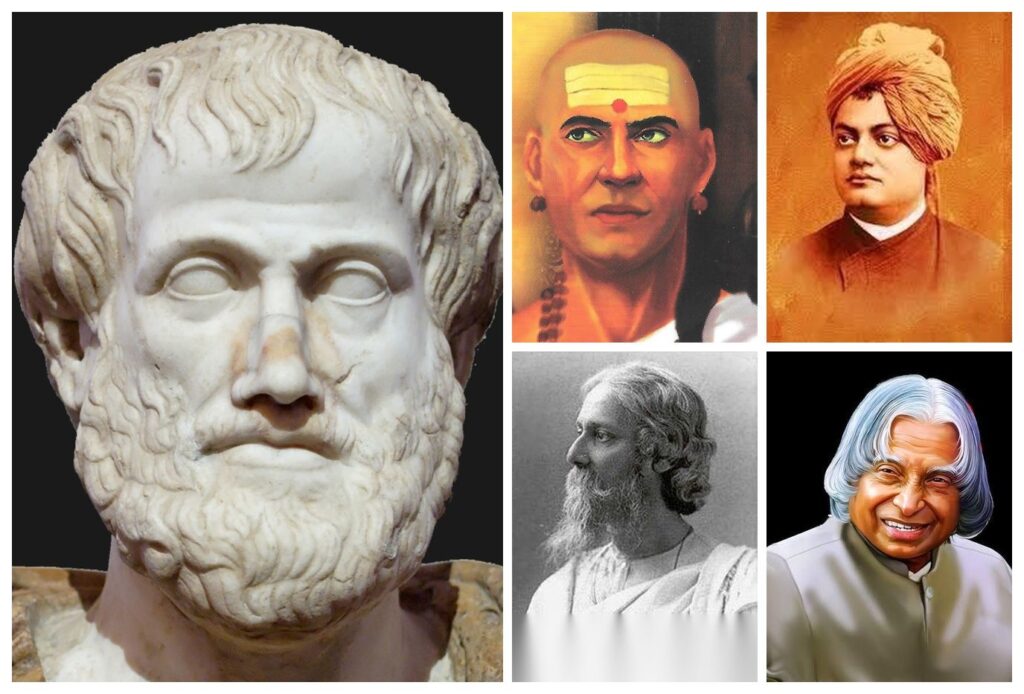
Across centuries, a handful of extraordinary teachers have left an influence that extended far beyond their classrooms. Aristotle shaped the thinking of generations; Chanakya helped shape a leader and an empire; Swami Vivekananda inspired a generation to discover its inner strength; Rabindranath Tagore reimagined education itself; and Dr. A.P.J. Abdul Kalam turned millions of young Indians into believers in their own potential.
Their classrooms may have looked completely different, their philosophies may have varied, and they lived in different eras. Yet they shared one powerful belief: education is not merely about transferring knowledge—it is about transforming people.
Their students became leaders, thinkers, creators and changemakers. Their ideas travelled across borders and survived centuries. And their greatest lessons continue to resonate today.
On Teacher’s Day, we look at five remarkable teachers whose influence proves that the greatest educators don’t simply teach a generation—they can transform it.
Aristotle: The Teacher Who Taught Alexander and Changed How the World Thinks
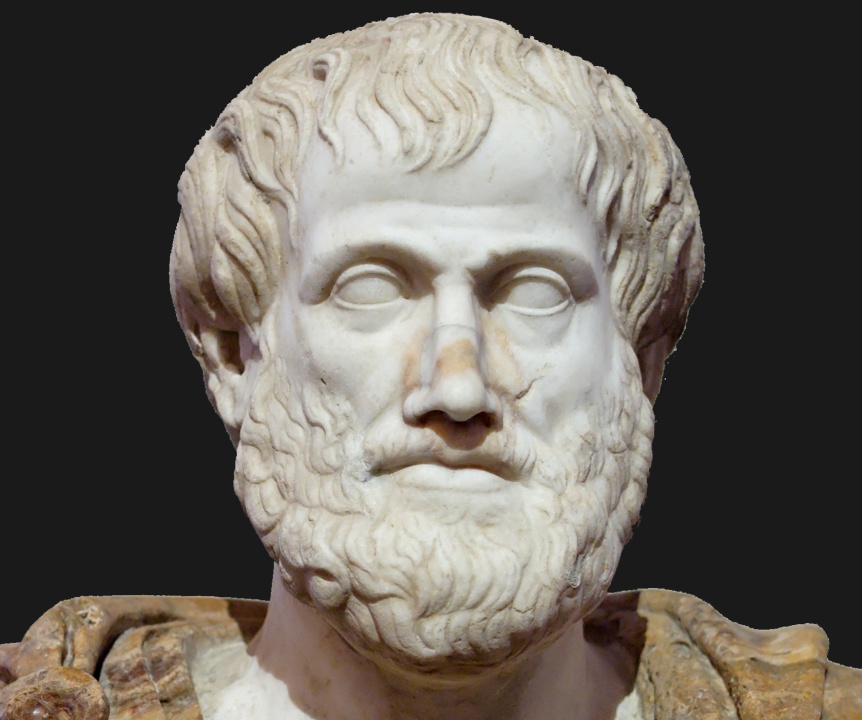
Aristotle (384–322 BCE) was one of history’s most influential philosophers and teachers. He studied under Plato and later became the tutor of Alexander the Great. He laid revolutionary theories shaping philosophy, science and logic and transforming generations of thinkers.
When Aristotle was invited to tutor the 13-year-old Alexander, he taught the young prince subjects that went far beyond military strategy or politics – introducing him to philosophy, literature, ethics, science and the intellectual traditions of the Greek world.
Aristotle was extraordinary because his curiosity seemed to have no boundaries. He wrote about logic, ethics, politics, biology, physics, rhetoric, poetry and metaphysics. He observed plants and animals, examined political systems and asked fundamental questions about human behaviour and society.
His approach was revolutionary. Instead of simply accepting traditional explanations, Aristotle encouraged observation, classification, questioning and reasoning. Aristotle later established the Lyceum in Athens, where he taught students and conducted research.
The Lyceum was more than a classroom. It was a place where ideas were discussed, questioned and examined.
Aristotle understood something that remains true even today: education is not merely about filling a mind with information; it is about teaching the mind how to think.
Alexander would go on to build a vast empire. Aristotle, meanwhile, had a huge impact on western civilization creating a legacy of knowledge for generations to come.
Chanakya — The Teacher Who Shaped an Empire
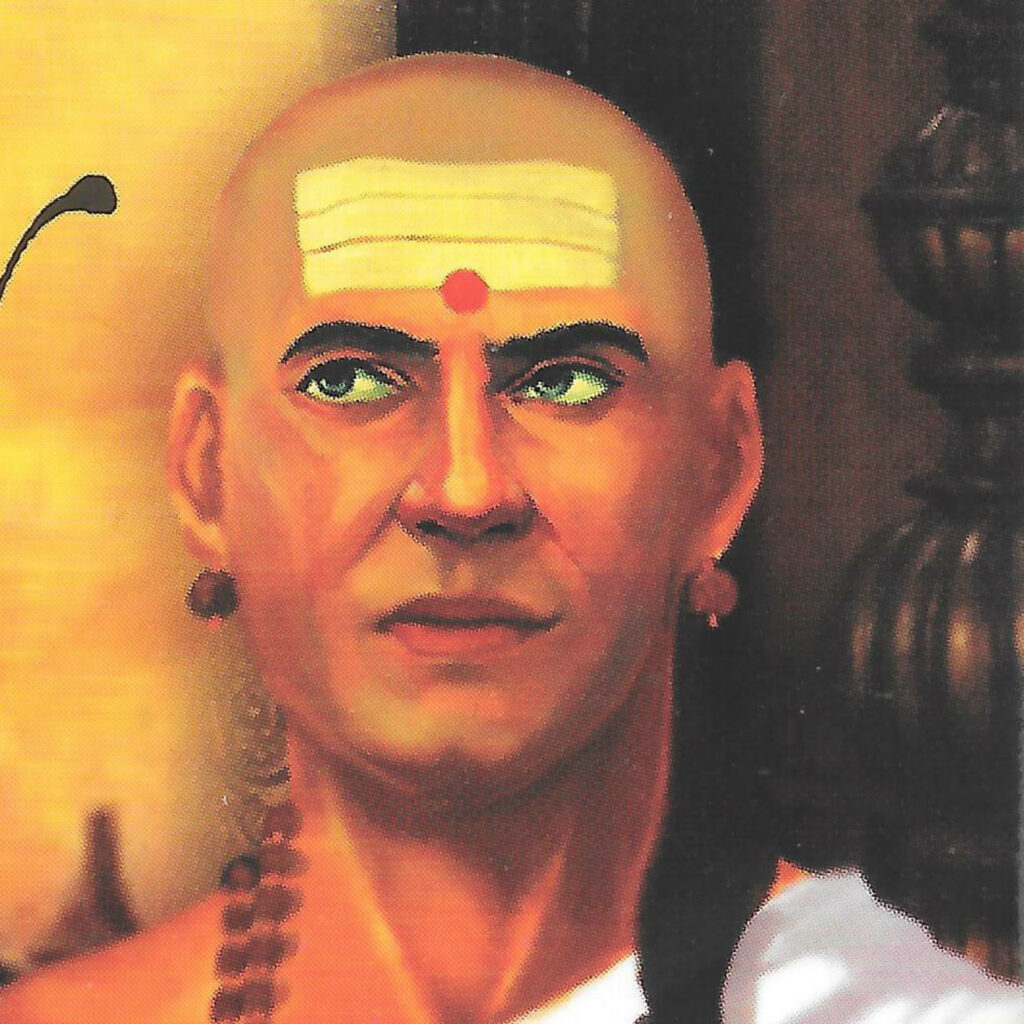
Chanakya, also known as Kautilya, was one of ancient India’s most remarkable scholars, teachers, political thinkers and strategists. Associated with Takshashila, he mentored Chandragupta Maurya, playing a crucial role in the establishment of the Mauryan Empire.
Traditionally associated with Takshashila, Chanakya was far more than a teacher in the conventional sense. He taught strategy, statecraft, economics, diplomacy and the discipline required to lead. His intellectual legacy is closely associated with the Arthashastra, a seminal work on governance and political thought.
Chanakya saw in the young Chandragupta the potential to become a formidable leader. Rather than simply giving him information, he is said to have trained him to observe, analyse, plan and act with purpose. The famous Chanakya Niti is still read and researched by many.
Chanakya’s name is closely associated with the Arthashastra, an influential ancient Indian treatise dealing with subjects such as governance, economics, administration, diplomacy and statecraft.
The Arthashastra reflects a remarkably systematic approach to governance. It considers how a state should be administered, how resources should be managed, how diplomacy should work and how rulers should approach questions of security and political power.
Swami Vivekananda — A powerful educator and spiritual teacher whose ideas continue to inspire young people.
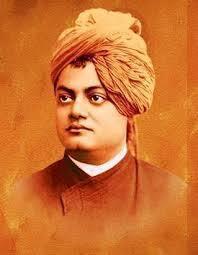
Born Narendranath Datta in 1863, Vivekananda became one of India’s most influential spiritual teachers, thinkers and educators. When he graduated from Calcutta University, he already had a vast knowledge of different subjects, especially Western philosophy and history. His message combined spirituality, education, character-building and service to society. Vivekananda had enormous faith in young people.
He believed that a nation’s future depended on the character, confidence and strength of its youth. His message encouraged young Indians to overcome fear, develop self-confidence and work towards a larger purpose.
His ideas remain particularly relevant today, when young people face a world of rapidly changing technology, career choices, competition and uncertainty.
Rabindranath Tagore – The Teacher Who Reimagined Education
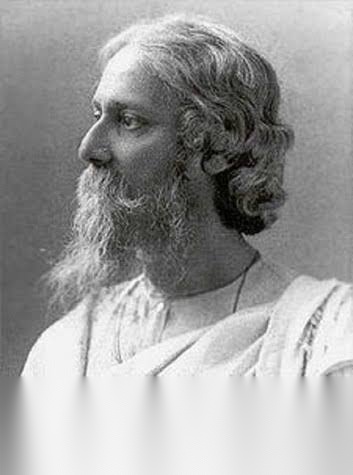
Rabindranath Tagore (1861–1941) was not only one of India’s greatest poets, writers and thinkers; he was a visionary educator too who challenged conventional ideas about how children should learn.
A Nobel laureate in Literature, Tagore believed that education should nurture creativity, curiosity, freedom and a deep connection with nature. His educational philosophy eventually took shape at Santiniketan, which he developed into an unconventional centre of learning.
Tagore was deeply critical of an education system dominated by rote learning and rigid classrooms.
He believed children should not be treated as vessels waiting to be filled with information. Instead, education should allow them to explore, question, imagine and discover.
At Santiniketan, lessons were often conducted in the open air, surrounded by trees and the natural environment. This reflected his belief that children learned better when education was connected to the world around them.
Dr. A.P.J. Abdul Kalam: The Teacher Who Dreamed of an India of Young Minds
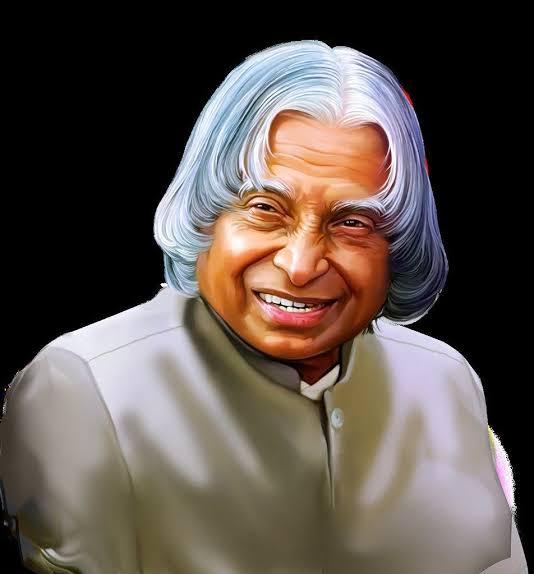
Dr. A.P.J. Abdul Kalam (1931–2015) was a scientist, author, former President of India and a teacher and mentor who devoted much of his life to inspiring young people.
From a modest childhood in Rameswaram to becoming one of India’s most respected scientists and eventually the country’s 11th President, Kalam’s own journey became a lesson in the power of education, perseverance and dreams.
But what made him truly special was the way he connected with students. He didn’t speak to young people as a distant leader. He spoke to them as someone who genuinely believed that the future of India was in their hands.
Kalam’s association with students did not end when he became President. He frequently interacted with school and college students, answered their questions and encouraged them to think about what they could contribute to the nation.
Even after leaving the presidency, he continued travelling across India to meet young people and speak about education, innovation, science and nation-building. For Kalam, teaching was not simply a profession. It was a mission.