TheBloodApp: How a Father–Daughter Duo is Solving Blood Donation Challenges

War-Induced Anxiety: The Invisible Fallout of Visible Conflicts
March 30, 2026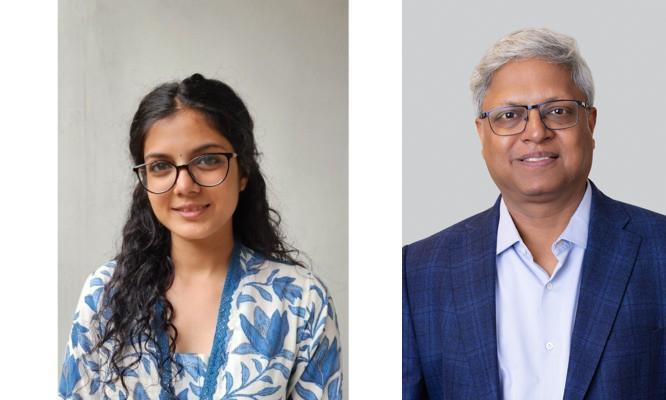
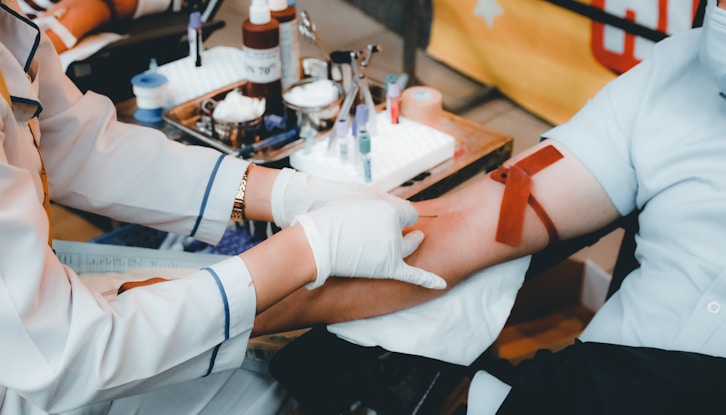
Donating blood is one of the noblest deeds. Helping someone in crisis, who is struggling with a life-threatening situation, where a delay of even a minute can lead to unreversible catastrophic situations, is indeed one of the best compassionate endeavors. However, finding a blood donor or the right match when time plays a crucial role, is still a challenge. Ask a critical patient’s family, who are informed by the Doctor to organize blood as early as possible, and the jitters would be visible. In most cases, they are clueless about whom to turn to, where to go to source blood and what process to follow. While the medical science and healthcare are making high strides and we stand at peak of technology breakthroughs, blood sourcing still remains a matter of intrigue and anxiety.
This gap bothered Sajal Singhal, a senior technology executive with close to 30 years of experience across product engineering, business intelligence, program management, and solution delivery. As a college student, Sajal first donated blood at his institution’s Founder’s Day camp: an annual tradition that brought friends together for a shared cause. What began as a simple act soon evolved into a sustained commitment. He continued donating regularly through his college years and volunteered at local hospitals whenever needed, even at the cost of missing lectures. A regular donor since 1993, Sajal has witnessed the chaos and emotional strain families endure when searching for blood during medical emergencies.
In 2019, a request came for a woman who required blood transfusions every fortnight. Watching her family repeatedly navigate the same search revealed a deeper issue – the challenge was not lack of donors, but the absence of an organized, reliable system. In 2024, a close friend spent days navigating multiple channels to secure blood for a family member. The experience reaffirmed what had long been clear; this could not remain an unfinished idea.
What has consistently failed them is the system. Patients in critical need, families scrambling through WhatsApp groups, donors eager to help but with no efficient way to connect. The gap was never one of compassion. It was always one of infrastructure. If technology could solve far more complex coordination problems, we asked ourselves, why couldn’t it solve this one? That question became a mission, and the mission became TheBloodApp.
COVID reaffirmed the gap
The COVID-19 pandemic exposed the fragility of existing blood access systems. As we all remember, during this frightening period, hospitals were stretched, informal networks struggled to coordinate effectively and urgent appeals circulated widely across messaging groups. In some instances, unethical practices, including demands for payment in exchange for blood, began to surface.
It became evident that goodwill alone was not enough. A structured, technology-enabled platform was necessary. Despite deep commitment, most efforts remained geographically limited, dependent on messaging platforms, manual coordination and fragmented outreach. Willing donors existed, but requests often failed to reach them in a timely and organised manner.
Sajal’s wide experience in technology and his unflinching belief in filling this gap of organizing the unstructured blood donation through a technology enabled platform, gave rise to the idea behind this platform. Conceived as a technology-enabled solution to reduce uncertainty and alleviate families and friends from the emotional burdens of poor health, the initiative is Sajal’s passion project and brainchild. Co-founder Aanya, who leads market research, stakeholder engagement, and strategic development, anchors the platform’s overall coordination.

She has taken it upon her shoulder to shape its vision, driving ecosystem partnerships, and translating insights into actionable design decisions. Her role spans research, content strategy, institutional outreach and cross-functional collaboration, ensuring that the platform remains community-driven, data-informed, and operationally grounded.
She says with beaming confidence, “Between the two of us, I like to think we cover both the heart and the spine of this initiative. What truly binds us is a shared belief that no life should ever be lost for the want of blood, and a quiet but firm determination to do something about it.”
An emerging development professional with hands-on experience in policy research, stakeholder coordination, and data-backed analysis across urban governance, social enterprise, and inclusion-focused projects, Aanya’s academic and professional journey reflects a sustained commitment to empathise and empower.
This dad-daughter duo is committed to building a trusted, community-driven blood donation ecosystem that ensures timely access to lifesaving resources and moves us closer to a future where no life is lost for want of blood.
Why This Platform?
Across conversations, one insight kept repeating: The willingness exists. The system does not. Sajal and Aanya’s platform brings structure, privacy, real-time coordination, and community mobilization into one organized ecosystem.
Aanya shows rare maturity and sensitivity beyond her years when asked about the challenges, “We prefer to think of them as interesting puzzles rather than challenges. The blood donation ecosystem in India, for all its goodwill, is deeply fragmented and knowing where to begin is often the hardest part. Looking ahead, reaching Tier-2 and Tier-3 cities meaningfully is something we think about a lot, because universality is core to what we are trying to build. And then there is behavioural change, shifting how people relate to blood donation from something they do in a crisis to something they do as a quiet, ongoing act of care. That one genuinely excites us. It is the kind of challenge that, once cracked, changes things for good.”
TheBloodApp is just the right initiative to blend technology and human intent to fill a critical gap. Donating blood can save someone’s life and Sajal and Aanya just want to contribute as meaningfully as they can towards this ocean of human need.