
Big in AI: Meta Acquires Manus

Godrej Enterprises Group Expands Footprint in Kerala with new Kochi Store
December 29, 2025
A True Labor of Love: Karigari, the Gastronomic Destination of Nostalgia
January 3, 2026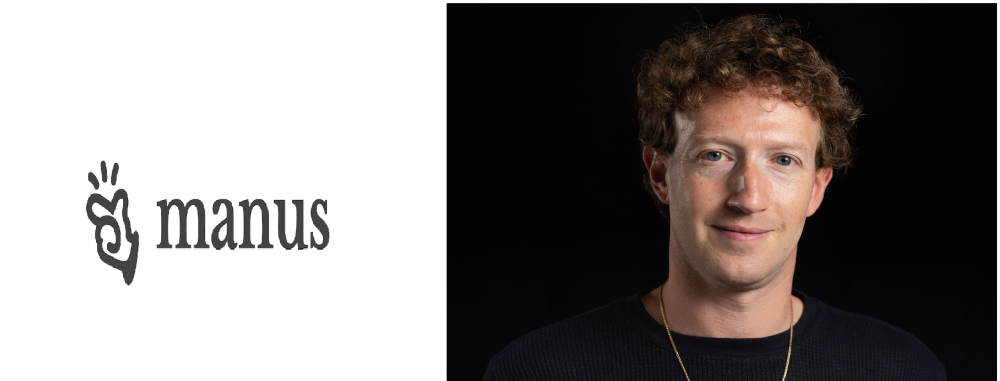
The talk of Silicon Valley since it debuted last spring with a demo video that showed an AI agent doing things like screening job candidates, planning vacations, and analyzing stock portfolios, Manus is now being acquired by Meta.
In April, merely weeks following its debut, venture capital firm Benchmark spearheaded a $75 million funding round that established Manus’s post-money valuation at $500 million and resulted in Benchmark general partner Chetan Puttagunta joining the company’s board.
Manus has since signed up millions of users and is generating annual recurring revenue of more than $100 million from monthly and yearly subscribers to its membership service.
Manus is something new for Zuckerberg, who has pledged Meta’s future on artificial intelligence: a profitable AI product. This is particularly relevant in light of investors’ growing unease over Meta’s $60 billion infrastructure spending binge and the larger internet sector’s debt-backed data center expansion expenditures.
In addition to integrating the startup’s AI agents into Facebook, Instagram, and WhatsApp—where users can already access Meta’s chatbot, Meta AI—Meta claims to maintain Manus’ autonomy.
How Manus is different from ChatGPT?
ChatGPT can follow a workflow or provide instructions. Manus sets the objective and figures out the path, reasoning, adapting, and combining tools autonomously to get results. ChatGPT works sequentially whereas Manus scales massively. As per their website, Manus builds, deploys, analyzes, and completes tasks across apps, APIs, and workflows on your behalf. ChatGPT gives you pieces to assemble but Manus gives you the finished product.